|
| In Zaragoza, capital of Aragon, for Easter. The main attraction is that Goya lived there for much of his life, and there is a museum devoted to his work there. You can browse the works here. The paintings were marvelous but I was really struck by the aquatint etchings, many of which exposed the workings of the inquisition. |
 |
| Faces at the Lonja, which is now an art exhibit hall. |
 |
| A Roman amphitheater. Zaragoza was then known as Ceasaragusta. |
 |
| Details of a high school located in the historic district. |
 |
| A figure by Pablo Serrano outside the Basilica of Our Lady of the Pillar. There is a museum devoted to this sculptor, and his work captures a specific nightmarish quality in the city that you can't help but notice. |
 |
| The central plaza, with the Basilica of Our Lady of the Pillar to the right. |

 |
| The Basilica of Our Lady. This church was founded on the idea that Mary appeared to Saint James atop a pillar at this spot by the Ebro River. The inside of the church is overwhelmingly baroque, with baldly anti-Spanish Republic displays. |
 |
| By Pablo Serrano |
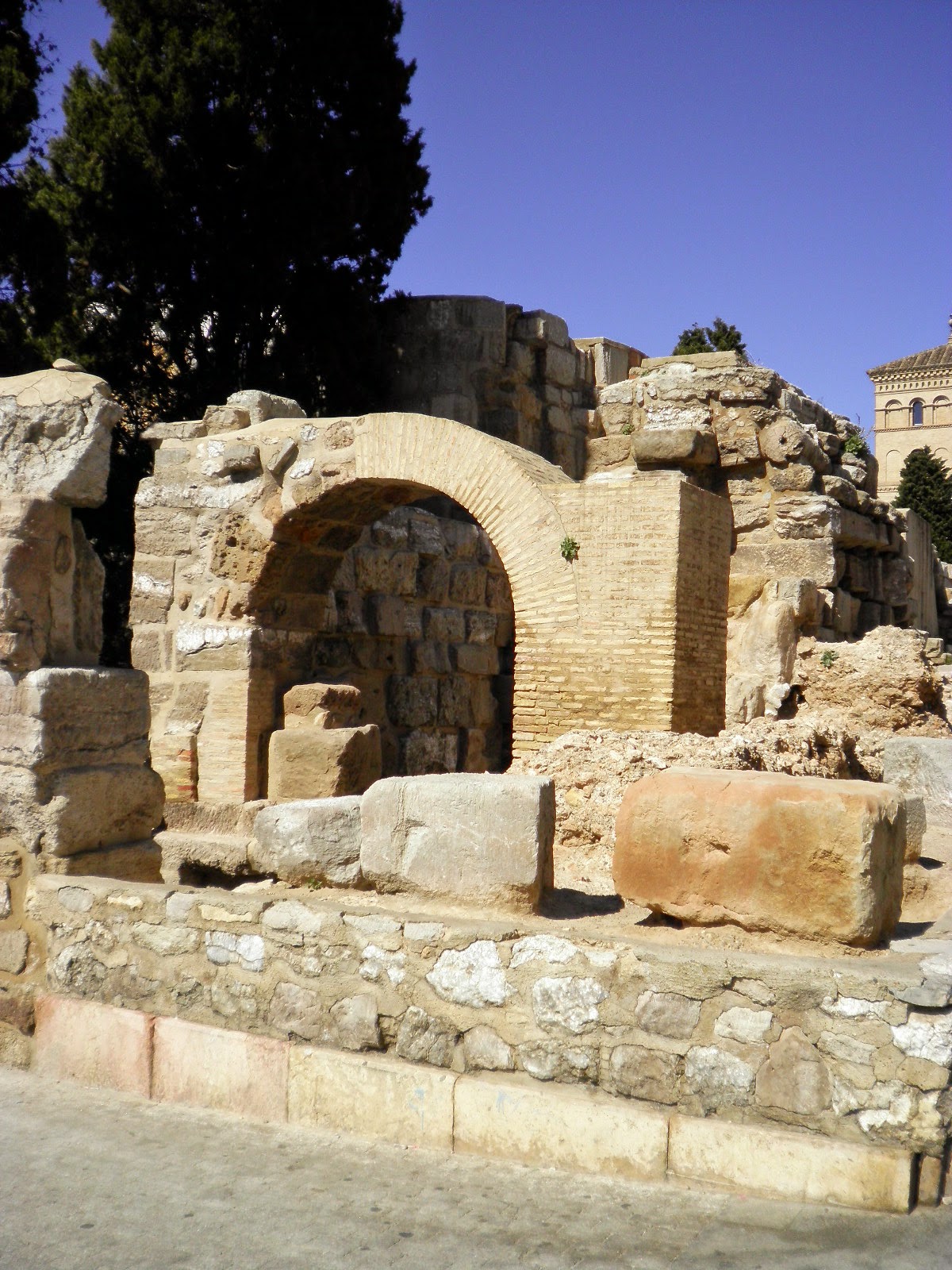 |
| Old city walls. |
 |
| A bridge across the Ebro River. |
 |
| A merengue mountain festooned with chickens. That is all. We partook of torrijas, a traditional Spanish Easter pastry that is a lot like French toast. Sadly, the candies of Aragon that we encountered were a wash, with sad hard candies called the tiles of the Pillar and chocolate-covered candied fruits (blech, if I may say so), but the pastries made up for the loss. |
 |
| These are candy versions of penitents. In medieval times, people who wanted to profess their sins during Lent but hide their identifies would march in long robes and these pointed hoods, which yes resemble those of a specific, unrelated racist group in the U.S. No points for taste, but the decorative candy situation in Zaragoza is ON POINT. |
 |
| EatHam.com. In spite of finding ourselves on the eastern side of Hamsterdam, Zaragoza has a thriving anarchist-punk-alternative scene. Which is to say that we had no problem whatsoever in finding a wide variety of outstanding vegetarian restaurants. A typical dish in Aragon is migas, or fried breadcrumbs with chorizo and grapes. |
 |
| A store display of penitential hoods for the Lenten season. |
 |
| Unemployment has gone down to 18% since this mural was painted, but you get the idea. |
 |
| BRB going to the cake topper store to buy a cross and a statue of a saint, I saw on HGTV that I could transform a mosque into a church just like that! Which is what I think when I see these beautiful Mudejar buildings. |
 |
| An Easter Vigil processional of cofradias, or lay brotherhood that may engage in charitable and civic activities. These associations go back to the Middle Ages. |
 |
| The Aljaferia, another building that was built by Muslims and taken over by Catholics, in this case the Catholic Kings of Aragon. You may remember Ferdinand in particular. The Aragonese parliament still holds its sessions here. |
 |
| Detail inside the Aljaferia |
 |
| More brotherhoods marching for the Easter Vigil. It is hard to convey how loud and frankly anxiety-inducing the drumming and one-valved brass instruments were. |
 |
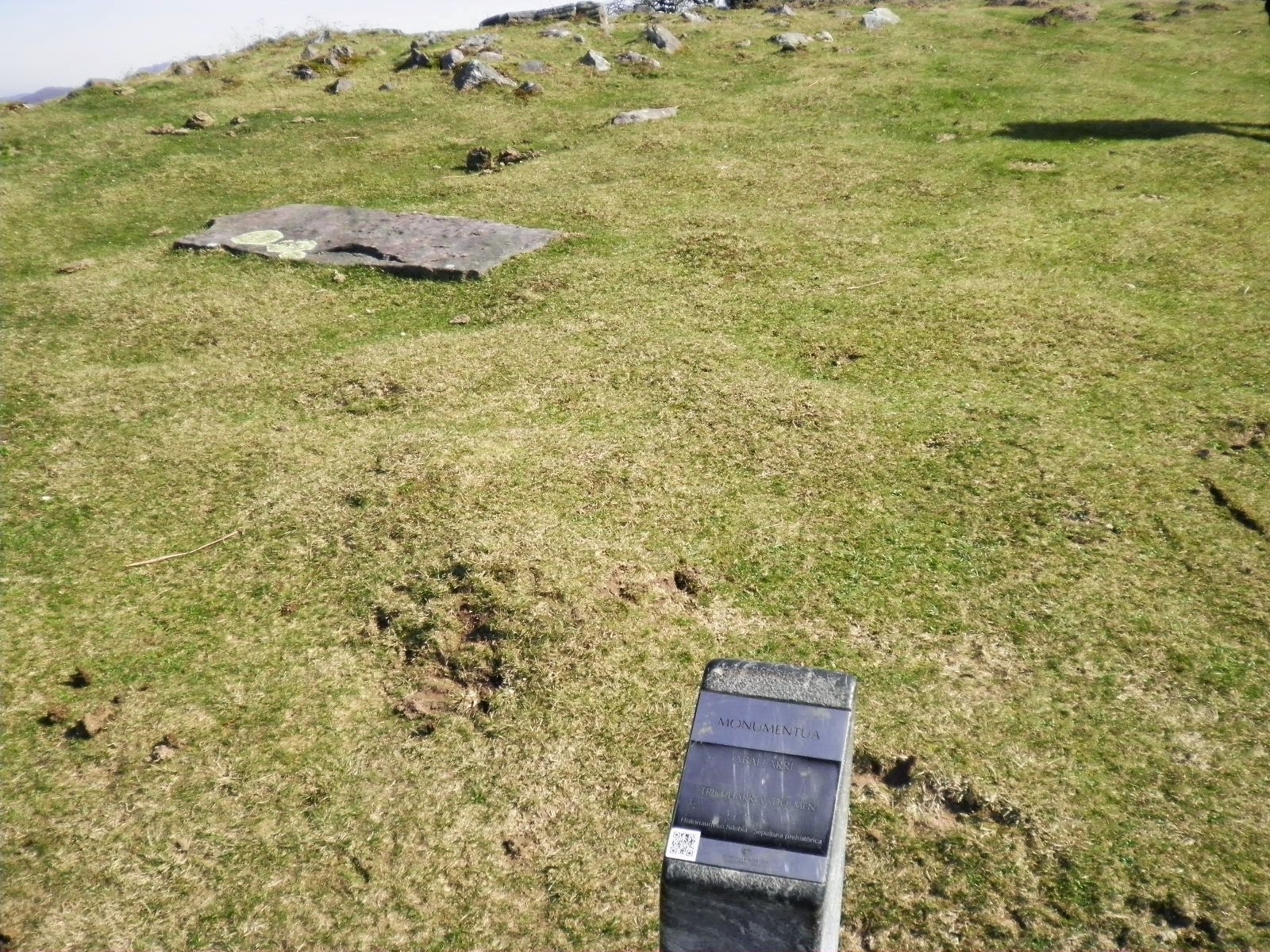
| A recent picture of sheep in the Basque Country for contrast. |
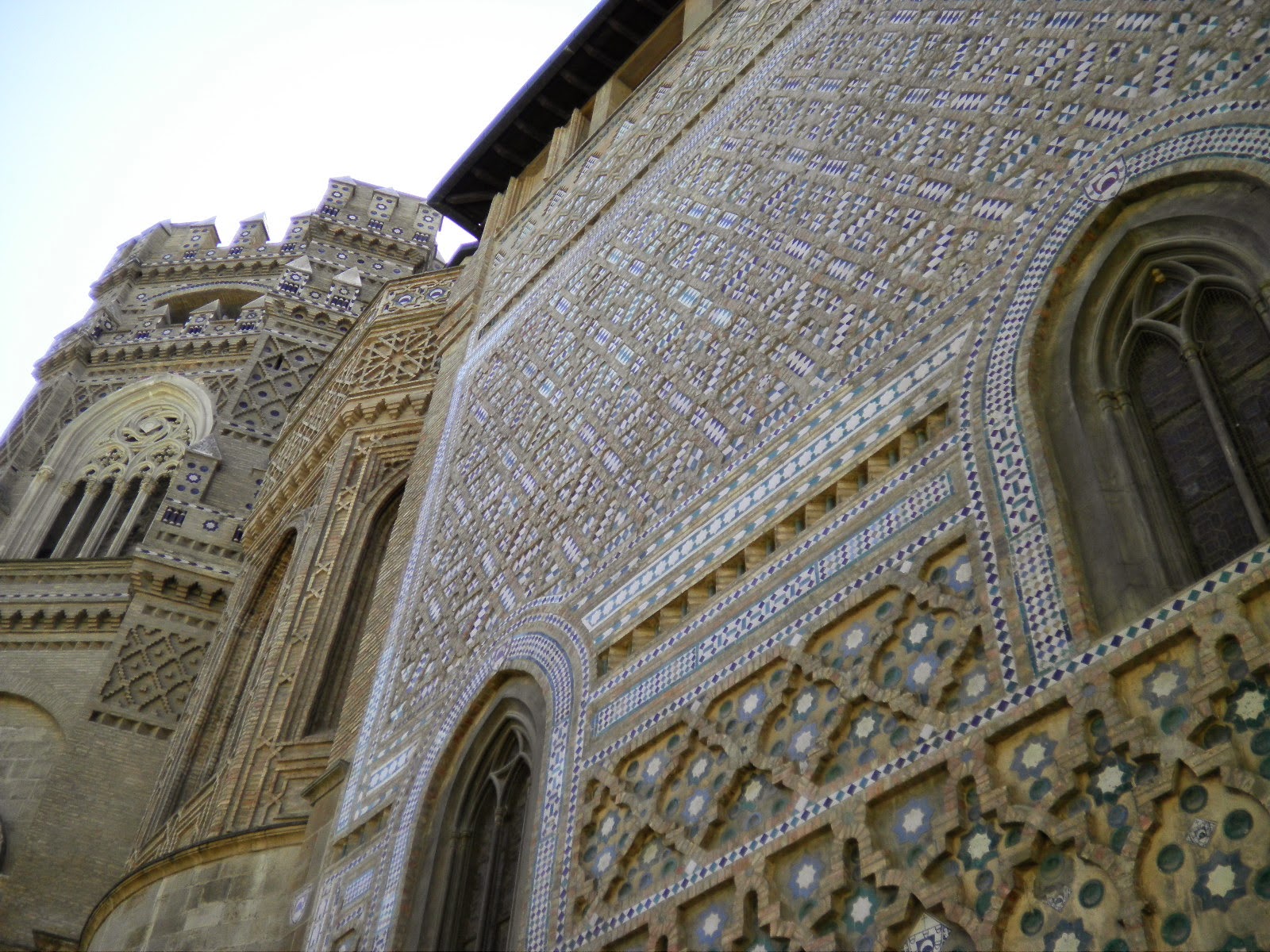 |
| One side of the Seo cathedral, which you can guess has not always been a cathedral. The Seo holds a significant tapestry museum that includes a lot of stuff you've no doubt seen in art history books before. |
 |
| Detail from the Aljaferia. |
 |
| Signs in the Aragonese language, which is spoken by a few tens of thousands. |